
Networking doesn't look like networking anymore
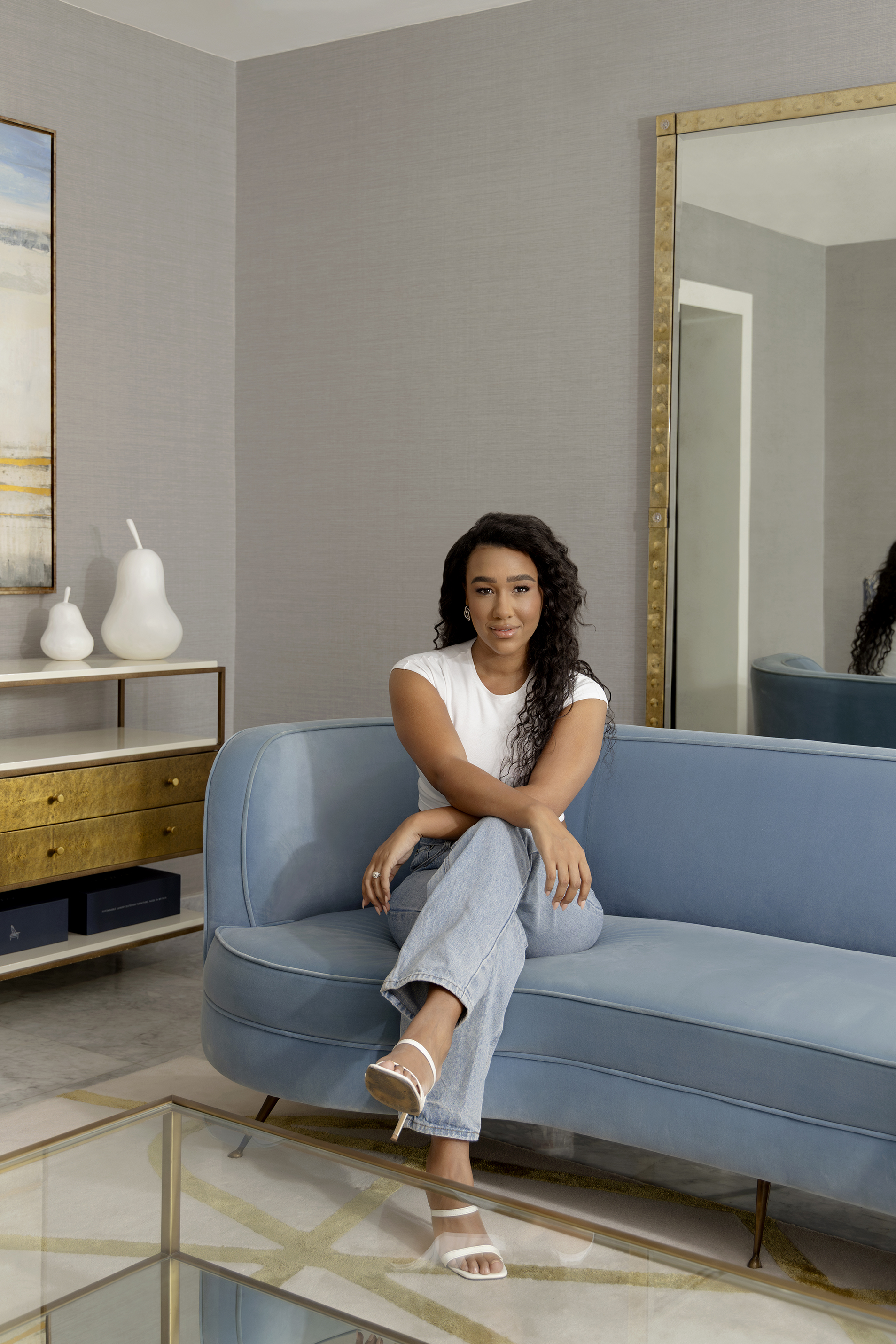
An opinion piece by Sharnie Jones-Trotter, Growth & Marketing Manager.
For a long time, networking had a very specific image. Rooms full of people half listening while scanning for someone more “useful” to speak to. Business cards exchanged out of habit, LinkedIn connections made the moment you got home without much thought behind them. It was quite rigid and, if we are being honest, a little transactional.
That model still exists, but it is no longer where the most meaningful connections are being made.
There has been a shift. A quiet one, but a noticeable one. Especially in places like Dubai, where everything moves quickly and the social scene is constantly evolving, networking has started to take on a completely different form. It now looks like early morning run clubs, weekend volleyball tournaments, after work padel games, you get the gist.

On the surface, none of this is networking in the traditional sense, which is exactly why it works.
There is no pressure to perform or expectation to pitch yourself. No one is walking into the room thinking about what they should say or who they need to impress. People just show up as they are, and naturally, conversations become easier.
We are seeing it across the design and creative space, where some of the strongest communities right now are being built outside of traditional formats. Groups like Fit-Out Superwomen are creating space for women in the industry to come together in a way that feels supportive rather than transactional. Events like Design Duels have become less about watching and more about being part of something shared. Our Together, We Move walks with Chapters Marketing, born out of the recent Middle East conflict, create space for two main things that always slip during stressful times: exercise, and connection. Even outside of our industry, communities like Padel Mob are growing quickly because they tap into the same idea. Bring people together around something they actually enjoy and the rest happens naturally.
None of these are positioned as networking events, but all of them are.
And the reason they work is because the dynamic is completely different. Endorphins are high, guards are down and conversations feel more natural. People are not overthinking what they should say next or how they are coming across; they’re just in the moment. It sounds obvious, but it makes a difference.

The result is better conversations and, over time, stronger connections. Not always immediate and not always obvious, but far more real.
I’ve experienced this firsthand. For those of you that don’t know, I met Sel at a pool day during Covid. We spoke for about ten minutes and that was it. No follow up, no intention behind it, nothing that suggested it would lead anywhere.
Then nothing for over a year.
Out of nowhere, she reached out. She was stepping away from her role at a design firm and asked if I would be interested in taking it on. I stepped in while she travelled, and on her return we ended up working together for a year, until she left again, only this time our relationship carried on from there.
Fast forward a couple of years and now we are building the company she started, together. It is quite mad when you think about it.
Now, if you had asked me at that pool day whether that interaction was “networking,” I would have said no without hesitation. It was just a conversation.
But looking back, that is exactly what it was, we just didn’t realise it yet.
That is the shift.
I’m not saying networking is disappearing, it’s just becoming less visible. It is no longer confined to specific environments or labelled as something you have to consciously do. It is happening in the background, in the spaces where people feel comfortable.
Which is why the traditional approach is starting to fall short. When people feel like they are being networked at, there is a natural resistance to it, just like when you feel like you’re being sold to. You can sense it straight away. But when the environment is built around something else, whether that is movement, shared interests or just good energy, connection becomes a byproduct rather than the objective.
And that changes everything.
Strong connections come from familiarity and trust. From people remembering how you made them feel, not just what you said you did.
For brands and businesses sleeping on this at the moment, there is something you can take from this as well. If the goal of an event is purely to get people to network, it is already working against itself. The more effective approach is to focus on the environment first. Create something people actually want to be part of and make it enjoyable.
The connection will follow.
If you are thinking about how to approach networking now, just think of it this way, it is less about where you should be and more about how you show up. Put yourself in environments you enjoy, you never know the thing you do in your free time might just be what puts you in the same room as that decision maker you’ve been wanting to meet. So, remember:
- Focus on conversations, not outcomes.
- Do not underestimate short interactions, they build over time.
- Stay in touch even when there is no immediate reason to.
- Be open to people outside of your immediate industry.
None of this is new, but the way it is being applied is.
Comments